
Uncategorized
Road Trip Mushroom Gummy Side Effects: What You Need to Know
May
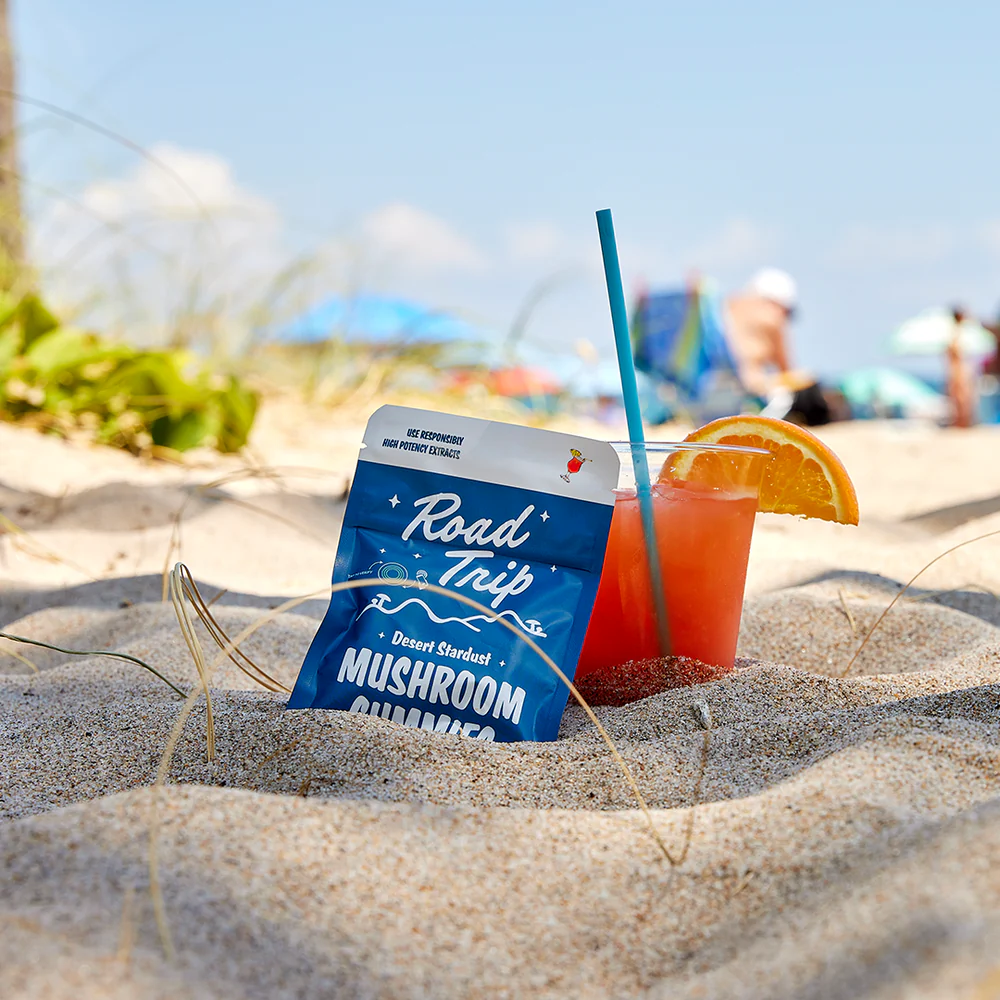
The rise of “legal psychedelic” alternatives has put Road Trip Mushroom Gummies at the center of the conversation. While these gummies promise a “Desert Stardust” experience without the use of psilocybin, users are increasingly asking about the potential risks and side effects.
Whether you are a seasoned traveler or a curious beginner, understanding what’s happening inside your body after consumption is critical. Here is everything you need to know about the side effects, safety profile, and active ingredients of Road Trip Gummies.
What Are the Potential Side Effects?
While many users report a positive, euphoric experience, others have documented adverse reactions. Because Road Trip Gummies use a proprietary blend of legal tryptamines rather than standard functional mushrooms like Lion’s Mane, the effects can be more intense than expected.
1. Common Physical Side Effects
- Nausea and Upset Stomach: This is the most frequently reported side effect. Like traditional mushrooms, the digestive system may struggle to process the specific compounds, leading to “body load” or slight stomach cramping.
- Dizziness or Lightheadedness: Some users report a feeling of “spinning” or a drop in physical coordination shortly after the onset.
- Increased Heart Rate: A sensation of “racing” or palpitations can occur, especially during the peak of the experience.
2. Psychological & Sensory Side Effects
- Extreme Anxiety or Paranoia: Because these gummies alter perception, they can occasionally trigger a “bad trip” sensation, characterized by intense anxiety or a feeling of losing control.
- Altered Time Perception: Seconds can feel like minutes, which can be disorienting for those who aren’t in a comfortable, controlled environment.
- Visual Disturbances: While marketed as “legal,” the tryptamine blend can cause trailing, color enhancement, or mild hallucinations.
3. The “Hangover” Effect
Some users have noted a “foggy” feeling the next day, often described as a mental burnout or mild lethargy, particularly if they took a “Heavy Dose” (6–8 gummies).
Understanding the Ingredients: Why the Effects Vary
Road Trip Gummies do not contain psilocybin. Instead, they utilize a proprietary tryptamine blend.
Important Note: In the broader “mushroom gummy” market, lab tests on similar products have sometimes revealed undisclosed ingredients like 4-AcO-DMT (a synthetic tryptamine) or Amanita Muscaria derivatives (muscimol and ibotenic acid).
Because the exact chemical structure of “proprietary blends” isn’t always disclosed, the side effects can vary significantly between different people and even different batches.
Safety Tips: How to Minimize Risks
If you choose to experiment with Road Trip Gummies, following these safety protocols can help reduce the likelihood of a negative experience:
- Start Low, Go Slow: The manufacturer suggests a starting dose of 1/2 to 1 gummy. Do not take more until you have waited at least 60–90 minutes for the full onset.
- Set and Setting: Only consume these in a safe, familiar environment with people you trust.
- Check Lab Results: Always look for a Certificate of Analysis (COA) to ensure the product has been tested for contaminants like heavy metals or residual solvents.
- Stay Hydrated: Drink plenty of water, but avoid mixing the gummies with alcohol or other substances, as this significantly increases the risk of nausea and paranoia.
The Bottom Line
Road Trip Mushroom Gummies offer a unique, legal way to explore altered states of consciousness, but they are not without risks. Most side effects—like nausea or mild anxiety—are temporary and manageable. However, if you have a history of heart conditions or mental health struggles, you should consult a professional before trying any psychoactive supplement.
